
Public system water use
Published Time:
2025-02-05
 |
 |
 |
 |
 |
 |
 |
 |
 |
Pharmaceutical-grade water refers to the water supply shared by process systems such as washing machines, autoclaves, or WFI systems. Due to the significant variations in source water quality, only a suitable filtration system can ensure efficient, safe, and successful production.
Filtration is only one step in the pharmaceutical-grade water manufacturing process. Other steps may lead to increased particulate matter, as resin and activated carbon beds can produce powder.
Separation Goal
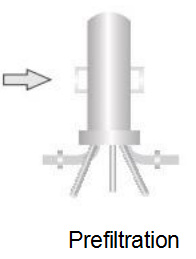
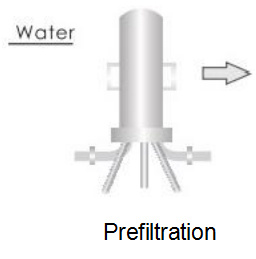
● Prefiltration
Remove colloidal and particulate contaminants, extending the lifespan of the final filter.
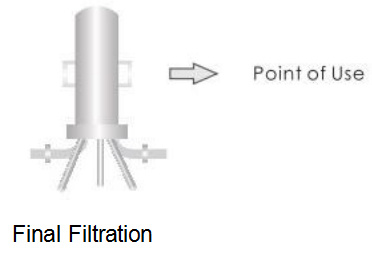
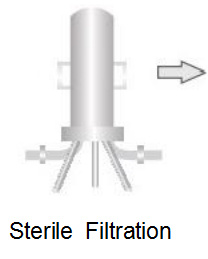
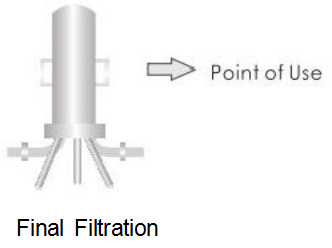
● Final Filtration
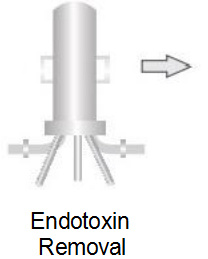
Remove particulate matter, microorganisms, and endotoxins to meet the requirements of the U.S. Food and Drug Administration and other international standards.
Application Conditions
● Prefilters must effectively remove most particulate and colloidal contaminants, have a high dirt-holding capacity, and maintain high flow rates and throughput.
● Final filters must remove microorganisms and endotoxins while maintaining high flow rates and throughput.
Recommendation
| Filtration Steps | Recommendation |
| Prefiltration | PP, MCE, GF |
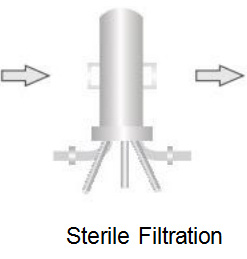
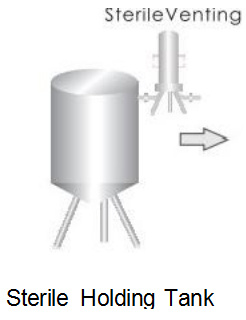
| Sterile Venting | PTFE |
| Final Filtration | PES NN for removing endotoxins |
Positively charged filters have limited capacity for endotoxin removal. Once the capacity is saturated, they lose their ability to remove endotoxins. A series of two filters is the solution, used to monitor endotoxins between the two filters. When endotoxins are present downstream of the first filter, the second filter should replace the first one in its position. This allows for full utilization of the filters, ensuring reliable retention rates. Free filter replacement depends on preset limit indicators such as maximum pressure drop, minimum flow rate, and maximum service life.
None
None



Cooperate with us immediately
We focus on filtering the market, with a strict quality system and professional management model, stably producing high-quality filtering products, allowing our customers to filter with peace of mind. If you have any questions, please leave a message to consult!
Manager Geng
Manager Hu
© Copyright - 2025 Hangzhou Hexin Technology Co., Ltd.
浙公网安备33010602014027号
WhatsApp:8613858564135
WhatsApp:8619564072084
Email:service@hz-hx.cn
Email:valisanatalia373@gmail.com
Email:seller@hz-hx.cn