
Large-volume injection process
Published Time:
2025-02-05
 |
 |
 |
 |
 |
 |
 |
 |
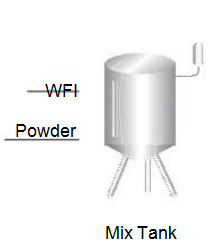
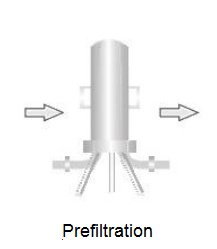
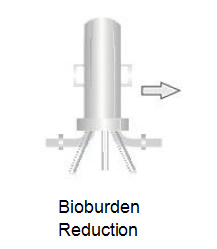
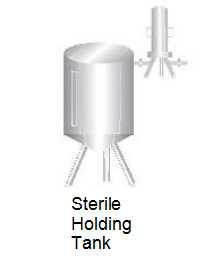
Large-volume parenteral (LVP) solutions are defined as those administered in unit doses exceeding 50 mL. Prefiltration is used to remove particulate matter to extend the life of the final (sterilizing) filter. The final filter is used to reduce bioburden prior to terminal sterilization or for sterile filtration. LVPs are typically manufactured in volumes of tens of thousands of liters, with multiple filling lines potentially operating simultaneously.
Typical LVP solutions contain water, glucose (5% to 50%), amino acids, salts, and, in the case of very viscous total parenteral nutrition (TPN), other components. Prefilters are used to reduce particulate matter in salt solutions and to remove hard particulates in glucose solutions before final sterilizing filtration (using a 0.45 μm filter is another option to reduce bioburden).
Separation Objectives
● Prefiltration
Remove colloidal and particulate contaminants, extending the life of downstream sterilizing filters
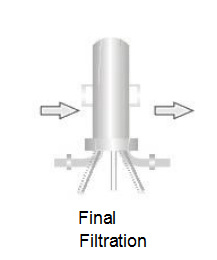
● Final Filtration
Reduction of bioburden (0.45 μm) prior to terminal sterilization Sterile filtration (0.22 μm) prior to terminal sterilization
Application Requirements
● LVP filters must provide consistently high flow rates to ensure accurate and consistent filling.
● Because typical LVP filling processes operate under high differential pressures and high flow rates, the filters must have excellent mechanical strength and be reliable and durable.
● The cost of LVP filters must be economical.
● Prefilters and sterilizing filters must withstand multiple cycles of steam-in-place (SIP) or hot water sterilization.
Recommendations
| Filtration Steps | Recommendation |
| Prefiltration | PP& |
| Sterile Venting | PTFE |
| Final Filtration | PES |
Small-volume parenteral (SVP) injection
Culture medium


Cooperate with us immediately
We focus on filtering the market, with a strict quality system and professional management model, stably producing high-quality filtering products, allowing our customers to filter with peace of mind. If you have any questions, please leave a message to consult!
Manager Geng
Manager Hu
© Copyright - 2025 Hangzhou Hexin Technology Co., Ltd.
浙公网安备33010602014027号
WhatsApp:8613858564135
WhatsApp:8619564072084
Email:service@hz-hx.cn
Email:valisanatalia373@gmail.com
Email:seller@hz-hx.cn